


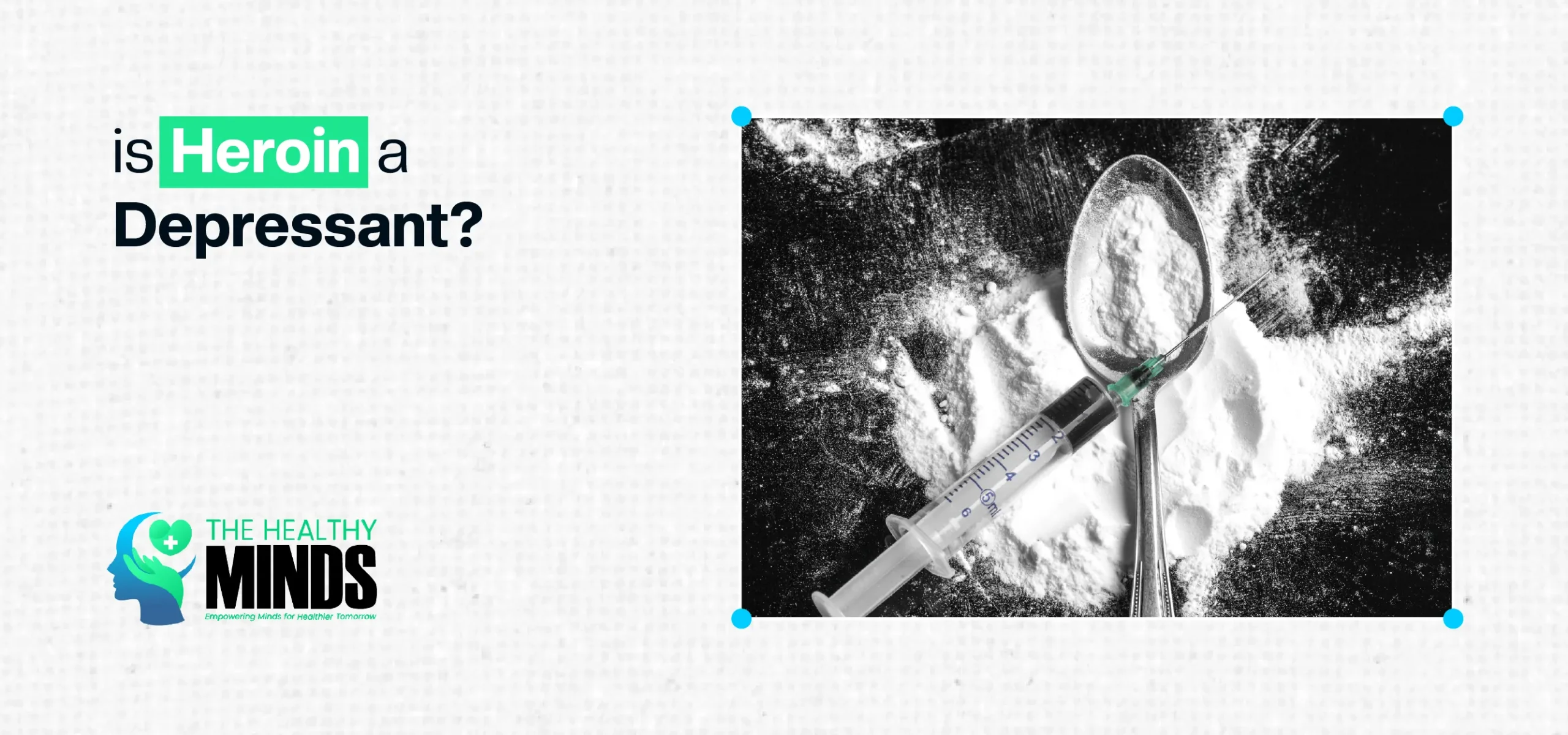
Heroin reduces your brain and nervous system’s activity. Heroin makes the brain work slower and can cause breathing problems, which might stop completely.
Moreover, your body gets colder, your blood pressure lowers, and your heart rate becomes abnormal. The person could lose their ability to stay awake or fall into deep sleep.
You might think, Is heroin a depressant? So, here we’ll discuss all about and clear up all the confusion.
When heroin acts on someone’s body, those around them can use naloxone to bring them back to normal. Stay with us and collect more shining gems by reading till the end!
Signs of Heroin Abuse
Here are the symptoms of a person using heroin:
- The person’s eyes look tiny, they feel very tired, and often their head drops down.
- Marks from injections or bruises can be found under their long sleeves.
- Friends, favorite pastimes, and regular duties become unimportant to them.
- Showing sudden emotions, sadness, or trouble understanding what’s happening.
- They may scratch or sniff often and lose weight quickly.
- Looking for syringes, burned spoons, and small plastic bags.
What are the Short Term Effects of Heroin?
Short-term heroin exposure harms brain activity, leading to distinct changes in behavior and social conduct. The brain’s functioning connected to pain and pleasure experiences shows as a primary short term effect of heroin use.
In addition, the drug attaches itself to opioid receptors before morphine can form from these receptor sites. The drug releases endorphins that produce instant pleasure, followed by muscle heaviness and deep sleep. So, your confusion about; is heroin a depressant might be clear now.
These effects include slowed breathing and heart activity, dehydration, and stomach distress. Your brain modifies its emotional and pain control system through repeated heroin exposure. It also affects how the limbic system functions. A complete stop using heroin is the only way to restore normal brain function.
Long Term Effects of Heroin Use
After treatment, the brain and body change from heroin use may stay permanent. Permanent damage to brain white matter reduces our ability to make good choices, regulate emotions, and maintain self-control.
Furthermore, daily heroin use leads to permanent bowel dysfunction, breathing problems, and sexual health issues in men, plus menstrual cycle problems in women. Repetitive lung infections and pneumonia occur when heroin affects the lung lining.
People who take drugs intravenously develop weak blood vessels and bacterial infections. Heroin users who snort the drug will damage the inside of their nose and throat. Any substance that mixes with heroin carries dangerous impurities that block veins and damage internal organs. The heart valves, liver, and kidneys are most at risk for damage.
Is Heroin A Stimulant or Depressant?
1. Is Heroin A Depressant?
Yes, it is a depressant indeed, and heroin lowers how your central nervous system works. Heroin slows down the activity of your central nervous system, which is its main way of working in your body. When heroin enters the brain, it changes how the heart beats, how you breathe, and how alert you feel.
Moreover, it finds and joins opioid receptors in brain areas, leading to a flood of dopamine that makes users feel exceptionally happy, calm, and pain-free. This brain depression can slow down breathing, which becomes deadly when someone takes too much heroin.
The way heroin reduces your body’s activity is one reason why it’s so difficult to quit using. Using heroin frequently changes how the brain responds to pleasure, making your body need it more and causing uncomfortable symptoms if you stop using it. Here, you’ll get the answer: is heroin a depressant? Certainly, you’ll get your answer and make clear all your points.
Hence, user safety is a big issue with heroin because the drug is banned, might contain harmful substances, and comes with a high chance of overdose.
2. Is Heroin A Stimulant?
No, heroin is not a stimulant; heroin slows down the central nervous system, NOT speed it up like a stimulant would. Unlike stimulants that activate the CNS and raise your energy and heart rate, heroin slows down your central nervous system.
The drug makes our central nervous system work slower, causing our heart rate to decrease, alongside lower blood pressure and slower breathing.
Meanwhile, heroin and stimulants can make people feel good, and they work on our bodies in opposite ways. Heroin can slow down your body’s systems so much that it can be deadly when too much is taken.
It can stop breathing so badly that it becomes deadly. Learning to tell these drugs apart helps us properly manage their risks and support people who need help.
What Does Heroin Feel Like?
People who use it feel instant happiness coming as both happy waves and a warm, relaxing feeling that spreads across their entire body. Because heroin makes people feel happy, it’s difficult to give up. When the drug works, it removes body pain and stress, letting users briefly forget their surroundings.
Physical and mental effects of heroin include:
- People using heroin commonly feel pure joy and happiness.
- Many people experience a warm sensation that slowly moves through their whole body.
- The drug causes your body to feel like your arms and legs are heavy and hard to control.
- People using heroin can feel so calm that they become tired or fall asleep.
- Mental clouding: Heroin hinders clear thinking and staying alert.
- Nausea and vomiting: New users often get sick to their stomach after taking heroin.
- Slowed breathing: Using heroin causes breathing to slow down dangerously.
Does Heroin Make You Lose Weight?
Does heroin make you skinny? While heroin alone doesn’t make you lose weight, it can cause your weight to change in different ways. Heroin makes people less hungry, so they eat fewer meals than their body requires.
When people eat badly and don’t get enough nutrients, their bodies lose weight because they don’t have the right food to stay healthy. Because they need to get high, heroin users usually stop taking care of their basic needs, like eating food at normal times.
Likewise, people who use heroin tend to become unhealthy, which makes them lose weight, not the drug itself. When addiction takes over your life, you might lose your money, end up on the streets, or feel too stressed to eat right.
Thus, using heroin weakens the body’s natural defenses, leading to health problems that cause the person to lose weight.
How To Overcome Heroin Addiction?
-
Seek Professional Help
Talk to doctors, addiction counselors, or recovery centers for their expert recommendations. They know what programs and drugs are most effective to control the withdrawal symptoms, including methadone and buprenorphine. You need to consult experts to begin your path to recovery.
-
Detoxification
Detox is a safe way to remove heroin from your body. Specialists keep track of your health and provide relief from the difficult physical symptoms when you’re trying to stop using heroin. Starting detox is the first step toward beating your addiction.
-
Support Systems
You can benefit from having family and friends around you or attending meetings at Narcotics Anonymous. They cheer you on and help you maintain your clean lifestyle. You need caring people in your life to help you get better.
-
Lifestyle Changes
Make healthy food choices, stay active, and discover new activities to help both your body and mind heal. The changes help build your strength and keep you focused on good things.
Heroin Addiction Treatment
Is heroin addictive? You can get treatment with Methadone and Suboxone from doctors who have permission to prescribe these medications or from specialized drug treatment centers.
To be part of a program, you need to:
- Visit a doctor who received permission from the government to provide opioid medication treatment.
- Go to your doctor for scheduled visits, who will watch your methadone treatment and check your urine for both methadone and other drugs.
- Pick up your daily dose at your nearest pharmacy. You’ll need to pay a service charge when you come to the pharmacy or clinic to collect it each month.
Final Note -Is Heroin A Depressant?
Is heroin a depressant? Yes, heroin is a depressant drug. It belongs to a class of drugs called opioids.
Heroin slows down how signals travel between your brain and your body. Heroin reduces your body’s functions and slows down everything it does. When you take heroin, your body’s main functions – breathing, heartbeat, and brain activity – all slow down.
This drug can kill someone. Overdose and death often happen when someone takes too much heroin, as the drug slows their breathing too deeply. The drug creates strong physical and mental addiction. Because heroin is so dangerous and highly addictive, many nations have banned it.
If you observe any mental health issues using a depressant such as heroin, you may reach out to Healthy Minds. Our healthcare professional is here to treat you well. So, without thinking twice, reach out to us today!
FAQ’s
Can you eat heroin?
When people take heroin by mouth, it doesn’t work as well because the body breaks it down before it can reach their bloodstream. Whichever way you use it, the drug stays deadly and dangerous.
Are narcotics depressants?
The central nervous system’s activity slows down when we take narcotics (opioids), making them depressants. They cut off pain messages, lower our heartbeat and breathing speed, and lower our overall body activity.
Is heroin classified as a depressant?
When it works, heroin acts like a narcotic drug and depresses both brain functions and the nervous system. Like other opioid drugs, heroin first hits the brain through a narcotic effect before causing deeper depressant actions that affect breathing and heart rate.
What are the other mental health disorders connected to taking heroin?
Here is the list of other mental health disorders linked with it:
- Anxiety Disorders
- Post-Traumatic Stress Disorder (PTSD)
- Sleep Disorders
- Antisocial Personality Disorder