


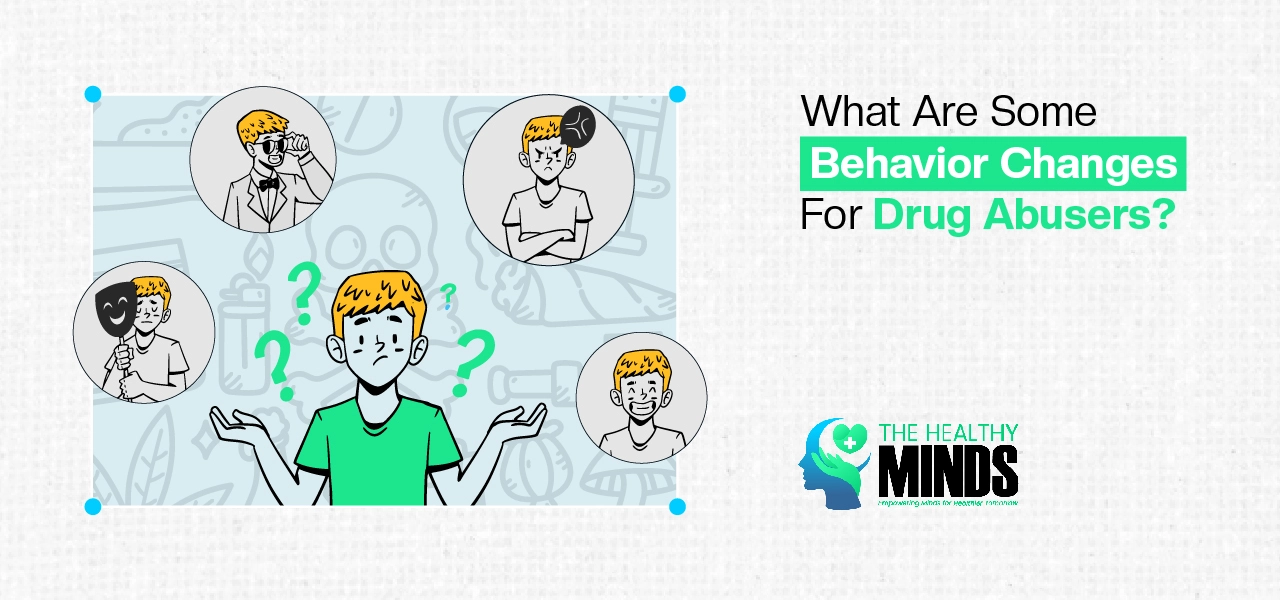
Abusing drugs can bring significant changes in behavior associated with both the mental and physical health of a human. Common changes are in the form of mood swings, aggression and anger, paranoia increases, and increased secrecy. So, what are some behavior changes for drug abusers? Drug abuse is strongly associated with increased reluctance in usual hobbies, fice work, or normal day-to-day responsibilities and also reduced interest in interactions or relationships with family and friends, etc.
Also, Risky behavior, lying, and financial distress/shortages become common signs. We can also observe signs like losing weight, poor hygiene and irregular sleep patterns as well. These kinds of behaviors will impact the relationship, jobs, and overall livelihood, and Altea can seek help from professionals. Continue reading until the end to gain valuable gems and insights.
Behavior Changes for Drug Abusers
Abusing drugs can cause very big shifts in personality and health – both the body and mind. Common changes include mood swings, being more aggressive, experiencing paranoia, and being more secretive. They’ll be less into the things they used to love, feel less responsible and may withdraw from family and friends. Taking bigger risks, lying, and getting into debt can be signs.
Additionally, gaining or losing weight, unclean appearance or poor grooming, and erratic sleep patterns may be noticed. Finally, these effects can mean an end to relationships and careers and cause an overall decline in well-being.
With support and professional guidance/building a more positive lifestyle, e.g., eating healthy and regular exercise, will give you a chance to recover from the problem and give you a better life without drug addiction.
Symptoms Of Drug Abuse
Frequently having to use the drug, there are a few signs of substance abuse problems that include:
- Cravings are intense and consume your thoughts
- Increasing amounts of the drug are then required to get a high
- More of the drug than you want/need/drug craving.
- Drug Needing: buying the drug even when you can’t afford it
- Double that you have the drug
- Miss work, school, or family obligations to take drugs
What Behavior Changes Are Common in Drug Abuse
-
Mood Swings
One of the extreme mood swings as people get addicted to drugs. Because drugs turn on the brain’s reward system, producing feelings of pleasure or euphoria. Going through life, the brain becomes unable to produce pleasure without drugs. Deeply sad at one moment and then crazily happy after some person uses it. If not for any good reason, a person who comes home upset is happier when they arrive back home, and most likely, substance use is involved. Their emotional state is also unstable little matters can over excite them. Finally, they may withdraw from activities and engagements that once pleased them.
-
Lack of Anger Control
Everyone has a meltdown now and again, but drug addiction can move anger from bad to absolutely catastrophic. Substance use can tamp down emotion-regulation parts of the brain, which causes impulsive eruptions. Studies have found that folks with addictions often test high on anger tests but very low on anger control. This goes to cause lots of fights, screaming, or even physical abuse. To loved ones, they seem quick to anger, and any slight becomes justification for being difficult. Others may have anger that is erratic and respond so others keep their distance.
-
Secretive Behavior
The normal amount of privacy is also expected as with teens. But people who battle addiction often get impossibly cryptic. This could involve changing door locks, not telling the full story, or distancing themselves from certain individuals. They may even lie about what they are up to or why when asked the most trivial questions, or they put up a fight. You could see them also, out of the blue start changing passwords on electronics and not wanting to share personal info. Finding something secret that is drug-related, like pipes or a small bag in the closet, can be considered as well.
-
Neglecting Responsibilities
Often, a person under the influence of drugs may overlook school or work and let their hygiene and cleanliness slide. Some may even neglect deadlines altogether. Their interests and values appear to no longer be a matter of concern to them. A family member, teacher, or superior may see a fall in their productivity and performance. Attendance at crucial events such as job interviews or even birthdays may be avoided.
-
Changes in Social Circles
Social interactions and friendships are often affected whenever there is drug addiction involved. Someone may isolate with new friends who can indulge in substances alongside them while neglecting old friends. They may skip family get-togethers or even spend less time with family members. Their talks may as well appear more general as opposed to who they are with or where they have been. Family and friends may realize that they are increasingly becoming aloof and apathetic towards personal relationships.
How Can Addiction Affect Your Mental Health?
What are some behavior changes for drug abusers? Let’s find out more about it!
A sustained period of addiction is very damaging to mental health, things such as anxiety, depression, or mood disorders. Addiction distorts brain chemistry, so you stop feeling pleasure without the substance.
Moreover, this eventually allows addiction to become the coping mechanism where drugs, alcohol, or behaviors such as gambling are used for stress, and emotions end up destroying mental health even more. Addiction also creates guilt, shame, or isolation, further compounding all other emotional battles.
Addiction also causes an elevated risk for much more serious mental health disorders, especially psychosis or suicidal thoughts, if substances are abused for a long time.
And then this can screw up everyday life, wreck relationships, and impact work and self-esteem, and all it takes is one debilitating emotional experience. The neglect to ask for help or stigma can keep many in addiction far longer than necessary and, in turn, create mental health disorders that worsen.
What Are Some Behavior Changes for Drug Abusers-Five Stages of Change
- Pre-Contemplation: If, in this phase, people are either unaware of the substance use problem (refuse) or unaware they need change on resisting help.
- Contemplation: As they go on, their mindfulness widens about the impact of their actions and creates internal conflict within themselves.
- Preparation: you are introduced to the people who, at this stage, are walking into change with small steps- it may only be research, asking for help.
- In Action: This is the stage where a person has begun to make an earnest effort toward recovery, possibly became treatment, groups, or, at the very least, lifestyle changes.
- Maintenance: Here, individuals are working to maintain their recovery efforts and prevent a relapse (showing signs of self-care, better coping, and a new sense of purpose).
3 Side Effects of Drug Abuse
Here are the Side effects of substance abuse that include:
Mental health issues — drug addiction leads to anxiety, depression, paranoia, and psychosis
- Drug use over the long term can change brain chemistry so that you become unable to think or feel things rationally.
- Its chronic use can alter brain chemistry and make it difficult to think as well as to regulate emotions.
- Social and Relationship Problems- Life falling apart — Drugs lead to spouse/friend break-up, job loss, bankruptcy, home eviction, and arrest.
- It can push people back and make it much harder for them to form these kinds of relationships or even maintain basic responsibilities.
Physical Effects of Hard Drugs
This is what hard drugs do to you physically:
- Elevated heart rate, high blood pressure, dilated pupils, increased body temperature, nose boodles, weight loss.
- Slowed breathing, pinpoint pupils, drowsiness, vomiting, itchy skin, increased risk for overdose.
- Unusually high heart rate, high blood pressure, hyperthermia (high body temperature), severe loss of weight, catastrophic dental problems (“meth mouth”), and flesh lesions.
- Raised heart rate, body temperature, dehydration, clenched jaw, blurred vision, headache, nausea, muscle cramps.
- Large pupils, hyperthermia, sweating, vertigo, tremors, potential for psychedelic “bad trips.”
- Breathing problems, extreme drowsiness, pinpoint pupils, confusion, overdose death.
Concluding Remarks
What are some behavior changes for drug abusers? Watch Your Loved One for Signs of Addiction This can be a matter of life and death if your loved one is so far deep into the reject’s shadow that they are threatening their own lives or skidding headlong into an awful accident.
Lightly noticeable signs and long-term behavior classified with addiction are mood swings, keeping secrets, personal appearance, new social friends, and acts discovered by people. Breaking bonds with activities and not sharing with family may also be warning signs of a problem on the rise.
At The Healthy Minds, we help you with these challenges. Our team offers a wide range of services and treatment support tailored to those in need and those who care for them in a supportive environment. Time is of the essence in looking at early intervention versus waiting to see if the situation gets worse. Call or click on one of the directories on our website, and we will help you today!
FAQs about Behavior Changes for Drug Abusers
What are the signs of a substance use disorder?
Signs of this condition consist of tolerance, withdrawal symptoms, missed responsibilities in favor of substance use, and the use of substances despite negative consequences. People might hide or lie about their use, have cravings, or find it difficult to stop. It can impact relationships, work, and everyday life.
What are the behavioral effects of drugs?
Drugs can influence behavior in a plethora of ways-swinging moods, impulsivity, aggression, and paranoia. They can impair judgment, which can then lead to a slew of risky behaviors. Long-term use can even put people in situations where they are apt to develop mood disorders such as depression or anxiety. Drugs can also negatively affect interpersonal relationships and general functioning.
What are some drug-seeking behaviors?
Some drug-seeking behaviors include manipulating situations to gain access to drugs through lies or even theft. This could involve visiting certain places for drugs, otherwise referred to as “doctor shopping,” using threats or persuasion, among others. It is simply the act of neglecting responsibilities to prioritize drug use.