


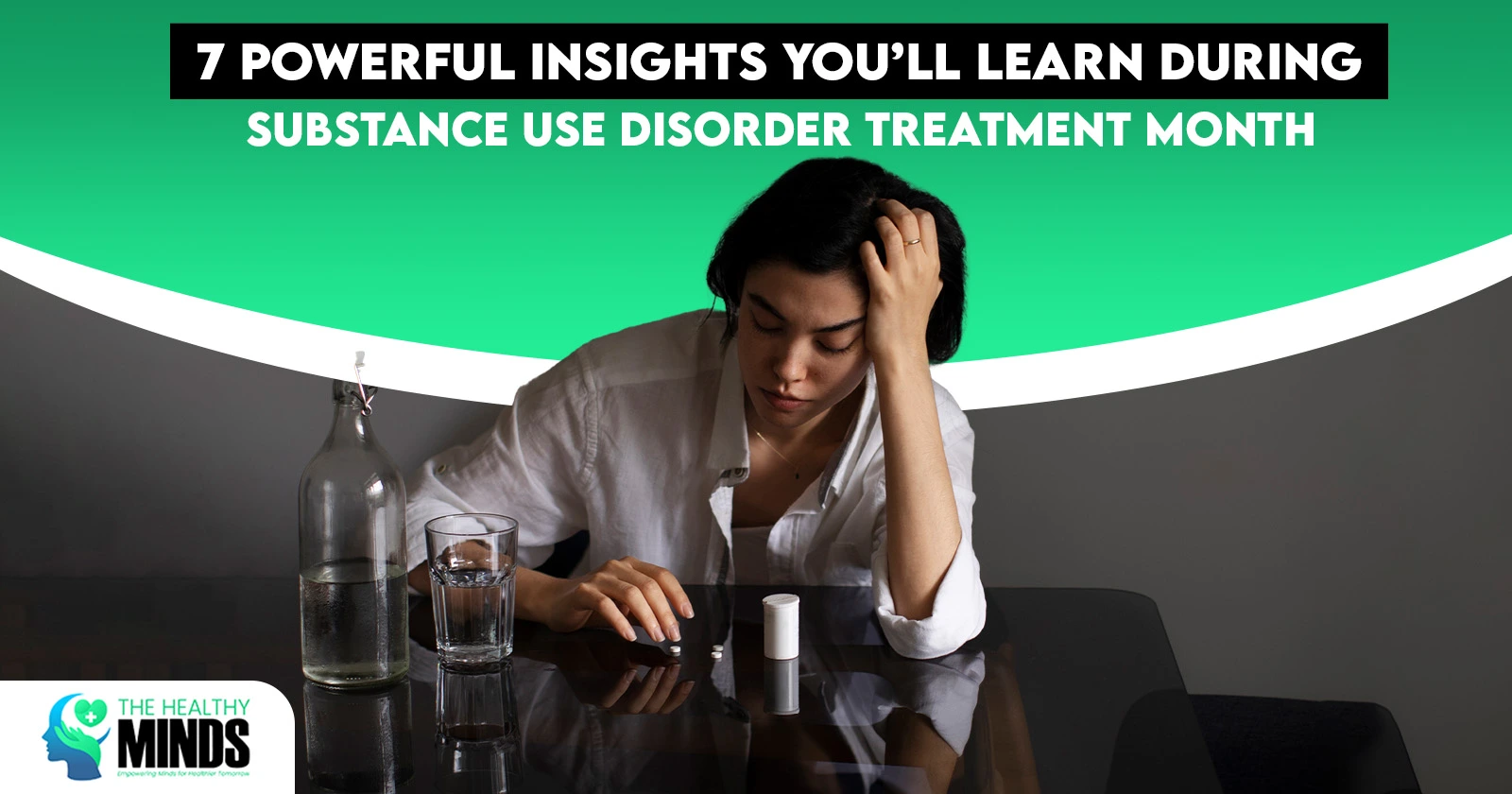
Substance Use Disorder Treatment Month is one of the necessary events every year that allows the creation of awareness of the problems and achievements in combating addiction. It is a period of gathering people, families, and the community to recognize the value of treatment, recovery, and support of the affected of substance use disorders. It is also an occasion to think about how the treatment methods have changed and what one can expect in the process of receiving treatment.
In this Blog post, we shall discuss 7 effective things you will learn throughout the Substance Use Disorder Treatment Month and provide an insight into the healing process. We are also going to mention the prominent role of different treatments such as adventure therapy and medication-assisted treatment.
Classification of Medication for the Treatment of Substance Use Disorders
-
Therapy Plays a Vital Role in the Recovery of Addicts
Among the initial lessons you will get in the treatment of Substance Use Disorder is how crucial therapy is in the treatment of addiction. The treatment is not merely a stop to the usage of drugs, but rather it is a comprehension of underlying psychological, emotional, and social conditions, which are the causes of substance use.
Most treatment interventions involve applied interventions using counseling theories, including cognitive-behavioral therapy (CBT) or dialectical behavior therapy (DBT). These treatments assist people in acquiring the means to handle cravings, triggers, and emotional reactions that, in most instances, cause a person to consume a substance.
-
Adventure Therapy for Treatment of Substance Use Disorder
The recent trend in treatment modalities is adventure therapy that integrates traditional therapies with physical exercises such as hiking, rock climbing, and other outdoor adventures. Therapists want to help patients face fears, learn to solve problems, and become resilient by incorporating them in demanding activities.
This pragmatic approach to treating the substance use disorder can result in an emotional revelation that can restore the self-esteem and faith of an individual. These experiences are the potent basis of long-term sobriety and emotional recovery for many in recovery.
Although the two kinds of drug addiction treatment, substance use disorder, have a similarity in terms of behavior, process addiction is more effective in the treatment of compulsive behaviors using cognitive-behavioral interventions. Conversely, substance use disorders may encompass both medication-assisted treatment (MAT) and therapies that are directed towards assisting individuals in overcoming physical dependence and withdrawal symptoms.
-
Medication-Assisted Treatment (MAT): An Opioid Recovery Key
MAT is among the best treatments that can be administered to people with opioid or alcohol use disorders. It is essential to comprehend the mechanism of action in the context of medication-assisted treatment during the month of substance use disorder treatment practical application of counseling theory.
MAT involves the use of FDA-approved drugs such as methadone, buprenorphine, or naltrexone alongside counseling and therapy in an attempt to help them minimize their cravings and withdrawal symptoms.
-
Knowing the Differences in Dressing Process Addictions
The first important thing that you will learn during the Substance Use Disorder Treatment Month is the difference between substance use disorders and process addictions. Process addictions, including gambling or sex addiction, can be treated in a different manner than substance use disorders.
A holistic approach that helps patients deal with their addiction and go through counseling to provide a solution to the cause of their substance abuse.
-
The Benefits of the Intensive Support offered by Inpatient Treatment
The inpatient addiction treatment substance use disorder offers a very organised and supportive environment to people with severe substance use disorders, which helps the long-term recovery of the individuals. The care provided at inpatient centers includes medical care, time on therapeutic care, and groups, which provide individuals with the care that they severely need to detox and begin their road to recovery safely.
One should know all the services provided in the inpatient treatment, such as group therapy, individual counseling, and aftercare planning, so that the individuals who have decided to go under a comprehensive choice of addiction treatment can be informed.
-
The Health Behavioral Significance of Treatment
Behavioral health is a relevant aspect in the treatment of substance use disorders. The behavioral approach is one of the approaches of altering the vicious behavioral pattern, e.g., substance abuse, that focuses on helping them understand the psychological stimuli that trigger the addiction.
Therapies such as cognitive-behavioral therapy (CBT) that assist the person to recognize the relationship between thoughts, emotions, and actions facilitate this. Patients would be taught to make healthier choices and acquire coping skills so as to lower the chances of relapse, since most of these associations would be known.
. The Significance of Aftercare and Ongoing Support
The other insight that you are going to get during the Substance Use Disorder Treatment Month is the role of aftercare and continuous help in addiction treatment. Care is provided not only when people are having a formal program. Ongoing assistance in the form of outpatient therapy, support groups, and sober living communities is essential in long-term sobriety.
The recovery process is a lifetime mission, and when there is a good support system that exists once the individual has been through the treatment process, chances are very high that he or she will succeed. People are required to pursue the chances of constant development and connectivity so that they can ensure that they remain up to date. So, you’ll find the differences in treatment between process addiction and substance use disorders.
Final Thoughts
Substance Use Disorder Treatment Month should be viewed as a chance to showcase how important addiction treatment is and how further steps can be made to combat the issue of dependence. Whether it is in therapy, adventure therapy, or medication assisted treatment for substance use disorders, there are numerous means by which an individual can be helped as they walk into recovery. Knowing the treatment alternatives and the knowledge you gained this month, you will be in a better position to know about the process of recovery and the assistance you are likely to receive.
At The Healthy Minds, we shall take every effort to ensure that we offer specific, holistic care to people who encounter substance use disorders. We offer a variety of evidence-based treatment choices to help you navigate the process of recovery with our team of professional workers, who are ready to help you start and continue your healing client-centered approach.
When you, or anyone around you, has an issue with substance use disorder, the first exciting thing you can do is to seek professional assistance, hence recovering and healing.
FAQs
How do the process addictions and substance use disorder differ?
Substance disorders Physical dependence disorders (i.e., drugs or alcohol), process addiction, which is dependent on compulsive sites (i.e, gambling, sex or eating). The treatment of the two may differ, as also the way in which they are treated.
What is your definition of medication-assisted treatment (MAT)?
MAT implies several different medications such as methadone or buprenorphine combined with the counseling process underway, enabling the person to overcome penetrating through the withdrawal symptoms and cravings, not to mention his/her psychological mechanisms that lead them to indulging in the found substances.
What are the benefits of adventure therapy?
Adventure therapy is also effective in terms of emotional healing, where individuals are exposed to controlled elements in the outdoor setting, and the environment is safe. It assists in the accumulation of confidence, coping, and resilience.
What are the forms of treatment that can be applied to manage substance use disorder?
These are some of the most common therapies, which have been applied based on the requirements of the individual; these are cognitive-behavioral therapy (CBT), dialectical behavior therapy (DBT), motivational interviewing, and group therapy, among others.
Do patients with substance use disorder always need to be treated in an inpatient setting?
This would be the inpatient provision of highly addicted people or those who must be placed under medical supervision during the process of detoxification. Less severe cases can, however, be addressed at the outpatient programs.
What can I do to be more prone to remaining sober with the help of aftercare?
Life-long support, which includes therapeutic programs, support groups, and sober living communities, will assist the individuals to be held accountable and dependent on the rest of the recovery process and increase their probability of being sober in the long term.