


“I didn’t even know this was a thing,” said Alex, rubbing his hands nervously. “A friend told me, ‘Hey, TMS is booming. You should try it.’ And I thought… wait, what’s a TMS technician even do?”
That’s the reality for many aspiring technicians. When we think about medical careers, we imagine doctors, nurses, or therapists. Few people realize there’s a role dedicated to operating TMS machines, monitoring patients, and ensuring safety and that role is crucial in clinics like The Healthy Minds.
It was eye-opening for Alex to work under the supervision of an experienced technician “I watched patients come in, visibly anxious, some jittery, some quiet… and the technician handled it all. Not just the machine, but the emotions too,” he recalled. What does a transcranial magnetic stimulation technician do? isn’t just a checklist it’s about empathy, precision, and vigilance.
A Day in the Life
Most mornings begin with a machine check. Alex said, “Okay, so first we turn it on, run the diagnostics, check the coil… I probably check it five times because I’m paranoid. But safety, you know?”
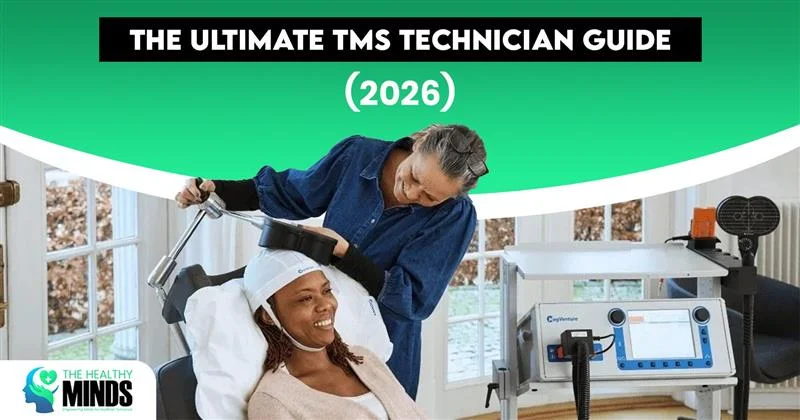
Then comes patient prep. Sitting across from the first patient of the day, the technician explains what to expect: “It’s just a gentle tapping sensation. You might feel a little twitch, that’s normal. If it hurts, we’ll adjust.” Patients often relax more after this explanation some laugh nervously, some nod silently but the trust is there.
During the session, the technician constantly monitors the patient. “I’m watching for discomfort, small signs of stress… one guy flinched mid-session. I paused, adjusted the coil, asked if he was okay. Little things like that make a huge difference,” Alex said.
Responsibilities Checklist
Many layers and segments are involved in TMS Technician. Below is the information for its workflow at The Healthy Minds:
Verify Patient and History, Always double-check identity, medical history, and prior session notes. “I check it twice, sometimes three times,” Alex chuckled. “I’d rather be slow and safe than rush.”
Machine Calibration – Ensure the TMS machine is working perfectly. Check intensity, software, coil placement. “Sometimes the machine beeps weirdly… I’ll adjust, restart, and still feel like I’m overthinking it. But that’s better than missing something.”
Patient Positioning – Align the coil with the targeted brain region. This requires precision. Alex explained, “You think you’ve got it… then you double-check. It’s like threading a needle with a giant magnet on someone’s head.”
Treatment Delivery – Start the session and monitor responses. Minor adjustments may be needed. “Some patients tense up mid-session. You notice it and ease them back into comfort. You’re part tech, part coach.”
Documentation – Every session detail is logged. Intensity, duration, patient reactions… even a small twitch gets noted. “Doctors rely on these logs. If I miss something, it can affect treatment next time.”
Patient Follow-Up – Post-session support includes answering questions, calming nerves, and scheduling next visits. Alex said, “Sometimes patients just want to talk for a few minutes. That’s part of the job too. You can’t just leave them in silence.”
How to Become a TMS Technician
Alex leaned back in his chair, remembering his first day of formal training. “Honestly… I thought I’d just read a manual and be done,” he admitted. “But it’s so much more than that.” Becoming a TMS technician requires a mix of education, hands-on practice, and patient care skills.
Most aspiring technicians start with a healthcare background medical assistants, nurses, or psychology graduates. Alex had a degree in neuroscience, which helped him understand the brain’s anatomy and function. “It’s not required to have a PhD, obviously,” he laughed, “but knowing where the dorsolateral prefrontal cortex is… that makes a huge difference when you’re placing the coil.”
Hands-on training is crucial. “You don’t just read about the machine,” Alex said. “You watch an experienced technician, then practice on a mannequin, then a supervised patient. Each step builds confidence. There were times I felt clumsy… like, ‘Wait, did I move the coil too far?’ But my mentor corrected me gently. That’s how you learn.”
Patient interaction training is just as important. “I learned to notice tiny cues,” Alex continued. “A slight frown, a hand twitch, shallow breathing… I pause, ask if they’re okay, reassure them. That’s part of being a good technician.”
Finally, certifications and continuing education ensure compliance with FDA guidelines and best practices. The Healthy Minds offers an in-house certification program, combining lectures, simulation, and supervised sessions. “It’s rigorous,” Alex said, “but by the end, you feel fully ready.”
Equipment Training and Safety
“Handling the TMS machine the first time was… intimidating,” Alex confessed. “It looks so powerful. And technically, it is. But once you understand it, it’s amazing how precise and safe it can be.”
Technicians learn to:
1.Adjust intensity regarding the protocols of doctor
2.Place coils in accurate positions for targeted treatment areas in each patient
3.Monitor electrical safety and patient comfort during sessions
4.Troubleshoot minor issues without panicking
Alex shared a memorable experience: “One patient flinched mid-session. I hesitated for a second… then I remembered my training: pause, talk, adjust coil, continue. Small things like that make a huge difference in trust and effectiveness.”
At The Healthy Minds, technicians practice on simulated models before working with real patients. “It sounds simple,” Alex said, “but until you’ve felt the coil on a mannequin’s head and adjusted the intensity, you don’t really get it. That practice is lifesaving for patient comfort.”
Transcranial Magnetic Stimulation Technician Requirements in the USA
I remember the first time I asked my supervisor about what it takes to become a TMS technician here in the U.S. I thought it would be simple like, “Oh, just go to school, take a course, and you’re done.” But she laughed and said, “It’s not that simple. It’s more about combining the right background, the right skills, and the right mindset.”
So, first things first, education. Most places expect at least an associate degree in something healthcare-related nursing, medical assisting, or even psychology. Some clinics prefer a bachelor’s, especially if you have neuroscience or biomedical studies. Honestly, it makes sense. If you understand the brain even a little, you can better figure out coil placement, why a patient might twitch, or why they feel certain sensations.
Next is experience with patients. You can read all the manuals you want, but if you’ve never helped someone in a clinical setting, it’s tougher. Things like noticing when someone is anxious, helping them sit comfortably, or calming them down when they’re nervous all of that matters. I’ve seen new trainees freeze up when a patient flinches, and the experienced tech quietly steps in. It’s that kind of experience you can’t just memorize from a textbook.
Then there’s the technical side. You have to be okay with machines, electronics, and following instructions carefully. The TMS device isn’t scary once you learn it, but if you mess up calibration or coil placement, it can change the treatment. That’s why clinics are strict about testing your skills before letting you work alone.
Finally, there’s the “human” part soft skills. Patience, empathy, good communication… these are huge. You’ll talk patients through their fears, notice tiny signs of discomfort, and sometimes just sit with them while they process what’s happening. Plus, ongoing training is expected. The TMS field changes all the time new coils, updated protocols, FDA guidelines. You have to keep learning.
At The Healthy Minds, they drilled all this into us from day one. Classroom sessions, hands-on practice, supervised treatments… and a constant reminder: “It’s not just about the machine. It’s about helping people feel safe while we do this.” Honestly, that’s what stuck with me the most it’s about the person, not just the procedure.
Daily Workflow and Responsibilities Checklist
Attention to detailing is required as a TMS Technician daily. Here’s how their day sounds like:
Daily machine checking at morning: Assuring calibration, integrity in coil, updated softwares
Patient prep – Verify identity, history, explain procedure
Session delivery – Position coil, start stimulation, monitor reactions
Documentation – Record intensity, duration, responses, any adjustments
Post-session support – Answer questions, reassure patients, schedule follow-ups
“It’s repetitive, sure,” Alex said, “but each step protects the patient and ensures effective treatment. Missing even one step can compromise results. I’ve seen it, and I never want to risk that.”
Integrating Therapy and Patient Support
Technicians often notice patterns in patients’ responses. Some patients are more anxious initially; others relax quickly. Alex said, “I remember one patient, Maria, first session… she was shaking, visibly terrified. I held her hand while explaining each step. By session three, she was laughing at the tapping sound the machine made. That progression is rewarding.”
Technicians also coordinate with therapists and doctors to reinforce treatment. CBT, mindfulness, and counseling complement TMS therapy. “We’re part of a bigger team,” Alex explained. “It surrounds guided support, empathy, observation, and accurate execution. It is not just a matter of machine or protocols.”
TMS Technician Training Programs
“Training is the backbone,” Alex emphasized. “You can’t fake it. You need lectures, simulations, shadowing, and hands-on practice. That’s the only way you truly understand patient care plus technical proficiency.”
The Healthy Minds provides a structured program including:
1.Neuroanatomy and psychiatric disorder lectures
2.Device operation and coil positioning simulations
3.Safety protocols and adverse event response
4.Patient interaction exercises and roleplay
5.Supervised clinical practice
Alex smiled, recalling his first solo session: “I was nervous. But by then, I knew exactly what to do. Training prepared me not just for the machine, but for the human on the other side.”
Real-Life Technician Stories
Patients often remember the technician as much as the doctor. Emily, a patient at The Healthy Minds, shared: “My first session was scary. But my technician noticed my trembling hands and gently reassured me. That small human touch mattered more than I expected.”
Another patient, James, said: “I asked a ton of questions, probably annoyingly so. But the technician explained everything repeatedly without rushing me. That patience made me trust the whole process.”
It is clear through these real life stories that a TMS Technician is not just a technical
operator but also a compassionate guide.
Final Words
It is not just about handling a machine, TMS technician does more than that. It is about the precision, collaboration, empathy, and patience. We ensure to provide you a holistic training with technical expertise alongside patient care at The Healthy Minds. Our technicians ensure that every patient feels safe, supported, and confident during treatment.
Skillful technicians should chase both aspects of this role; both human and technical. With an expert led training, real practices, and empathically approach, technicians can have a significant impact on life of patient.
FAQs
What does a transcranial magnetic stimulation technician do?
Their role includes the execution of operations in TMS devices while monitoring patient’s safety and ensuring proper documentation.
How to become a technician?
Start with a healthcare or neuroscience background, complete hands-on training, shadow experienced staff, and pursue certification if available.
What are transcranial magnetic stimulation technician requirements in the United States of America?
Educational background, clinical experience, technical skills, communication proficiency, and ongoing training are essential.
How long is technician training?
Training ranges from several weeks of classroom and simulation sessions to months of supervised clinical practice.
What skills make a good technician?
Attention to detail, technical proficiency, empathy, patience, and the ability to respond to patient cues.
Why train at The Healthy Minds?
At The Healthy Minds, we provide you with real time practices, setting up compliance with patients, expert led training, and working with advanced TMS techniques.