


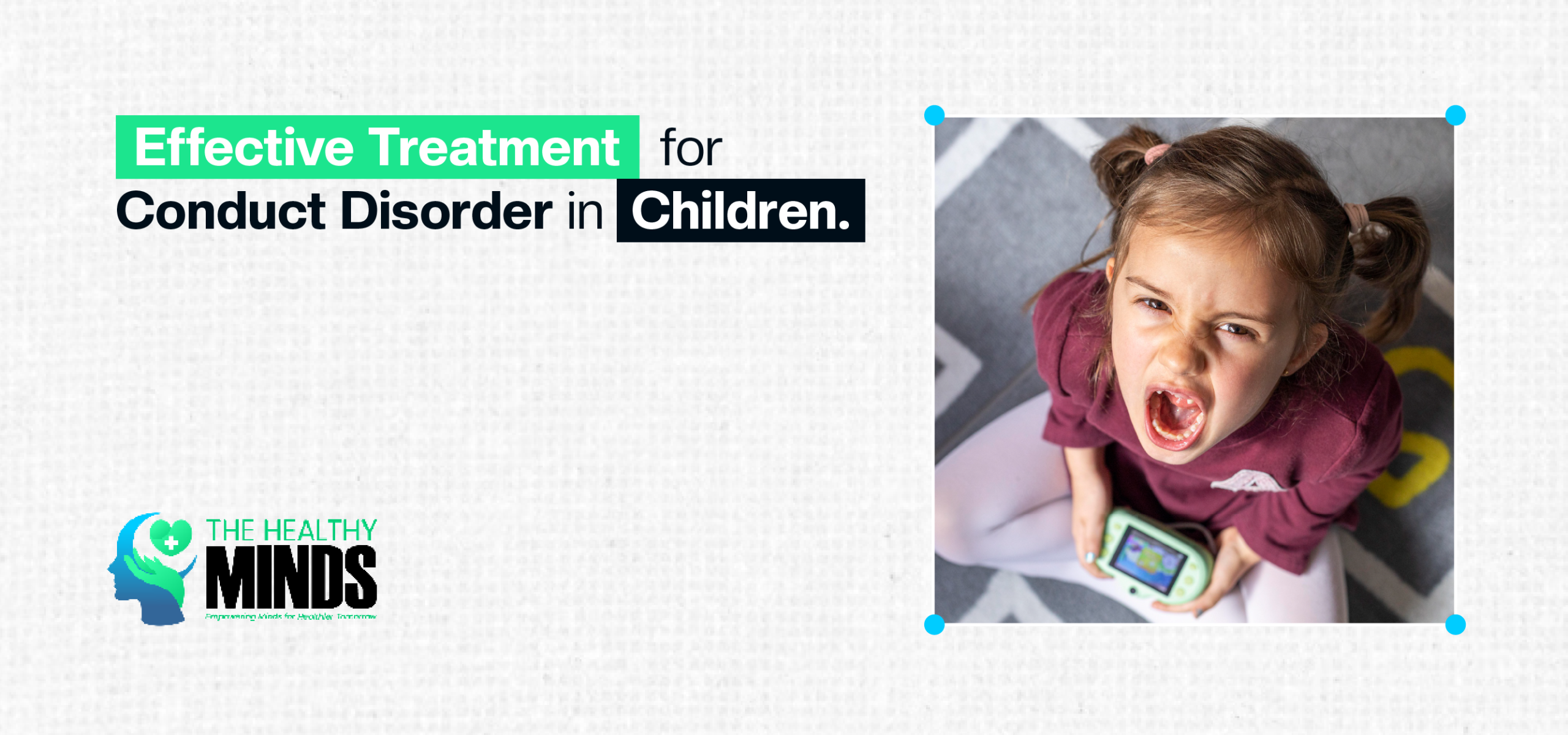
Dealing with difficult behaviors in children is challenging for any parent, but it can be even more overwhelming when the behaviors go beyond typical childhood tantrums or defiance. Conduct Disorder in children is a serious condition that can affect your child’s emotional and social development. At The Healthy Minds, we specialize in providing compassionate, expert-led treatment for conduct disorder in children to lead healthier, happier lives.
What Is Conduct Disorder?
Conduct Disorder (CD) is a mental health disorder that’s characterized by a pattern of aggressive, defiant, and antisocial behavior. These behaviors often interfere with a child’s ability to function well in school, at home, and in social settings. It’s more than just typical misbehavior; it’s a condition that can cause serious issues in a child’s overall development.
Some common signs include:
- Aggressive behavior toward people or animals
- Frequent lying or stealing
- Destruction of property
- Serious rule-breaking, like running away or skipping school
- Lack of empathy or remorse for their actions
If you’ve ever asked yourself, “Is my child’s behavior normal, or is it a sign of something more serious?”, the key difference lies in the consistency and intensity of the behavior. If your child’s actions are causing significant problems in their life, it could be time to seek help.
What Causes Conduct Disorder?
The exact cause of Conduct Disorder is not always clear, but it is thought to arise from a combination of genetic, environmental, and social factors. For example:
- Family history of mental illness or behavioral disorders
- Trauma or abuse
- Inconsistent or harsh parenting
- Exposure to violence or substance abuse
- Neurobiological factors
These influences may all contribute to a child developing symptoms of Conduct Disorder. The good news is, with the right intervention, children can learn to manage their behaviors and thrive.
Recognizing the Early Signs of Conduct Disorder
Spotting the early signs of Conduct Disorder can help you take action before things escalate. Some behaviors to watch for include:
- Chronic defiance or hostility
- Bullying or fighting
- Repeated rule-breaking or stealing
- Aggressive behaviors like hitting or biting
- Lack of guilt or remorse for hurtful actions
If these behaviors are persistent and intensifying, it’s important to consider seeking professional help. The Healthy Minds is here to guide you through this challenging time with expert support.
How Is Conduct Disorder Diagnosed?
Diagnosing Conduct Disorder requires a comprehensive evaluation by a trained mental health professional. At The Healthy Minds, our approach includes:
- In-depth clinical interviews with both the child and their parents or caregivers
- Behavioral assessments and checklists
- Review of academic and social history
- Exploration of any co-occurring conditions, such as ADHD or anxiety
A thorough diagnosis is the first step in developing a personalized treatment plan that addresses your child’s unique needs.
How to Treat Conduct Disorder in Children
When it comes to treating Conduct Disorder in children, there’s no one-size-fits-all solution. At The Healthy Minds, we take a personalized approach, combining therapy, family support, and when necessary, medication to help children manage their symptoms.
Treatment for Conduct Disorder in Children
-
Therapeutic Approaches
- Cognitive Behavioral Therapy (CBT): Helps children recognize and change negative thought patterns and behaviors.
- Parent Management Training (PMT): Empowers parents with practical tools to handle difficult behaviors and improve family dynamics.
- Family Therapy: Strengthens family relationships and improves communication.
- Multisystemic Therapy (MST): A community-based approach that involves working with schools, peers, and the child’s environment to address the root causes of their behavior.
-
Medication
While there is no specific medication for Conduct Disorder, children who struggle with impulse control or aggression may benefit from medications like:
- Stimulants (for children with ADHD)
- Mood stabilizers or antipsychotics (for managing severe aggression)
Our team will work closely with you to determine the most appropriate course of treatment, including whether medication is necessary.
Effective Interventions for Conduct Disorder
At The Healthy Minds, we offer a variety of interventions for Conduct Disorder, including:
- School-based interventions to support positive behaviors and academic progress
- Social skills training to help children improve their relationships with peers
- Parent-child interaction therapy to enhance communication and cooperation
- Family-focused support to ensure everyone is on the same page when it comes to treatment
Our goal is to create a comprehensive plan that addresses all aspects of your child’s well-being.
How to Manage Aggressive and Defiant Behavior in Children
If your child exhibits aggressive behavior or is constantly defiant, it’s important to know that you’re not alone. These behaviors are common in children with Conduct Disorder, but with the right tools and support, you can help your child learn how to manage their emotions in healthier ways.
Some strategies that can help include:
- Set clear, consistent boundaries
- Praise positive behaviors and reinforce them
- Use calm, firm discipline and avoid escalating the situation
- Work together as a family to improve communication and understanding
At The Healthy Minds, we’ll guide you through every step of this process, offering therapy for Conduct Disorder and support for the whole family.
Conduct Disorder and Other Co-Occurring Conditions
It’s not uncommon for children with Conduct Disorder to also struggle with other issues, such as ADHD, anxiety, or learning disabilities. Addressing these co-occurring conditions is essential for effective treatment. That’s why our team takes an integrated approach, treating the whole child, not just the behavior.
Why Choose The Healthy Minds?
At The Healthy Minds, we know how challenging it can be to navigate childhood behavioral issues. That’s why we offer:
- Personalized treatment plans tailored to your child’s specific needs
- Expert support from experienced child psychiatrists and therapists
- Collaborative care that involves the whole family
- Evidence-based therapies and strategies that work
We’re here to provide the care and support your child needs to overcome Conduct Disorder and build a healthier, more positive future.
Take the First Step Toward Help
If you’re noticing signs of Conduct Disorder in your child, don’t wait. The earlier we intervene, the better the outcomes.
👉 Schedule an appointment with our expert team today.
👉 Learn more about our services for treating childhood behavioral disorders.
Empower your child. Restore your peace. Choose The Healthy Minds for expert care in childhood mental health.
FAQs on Conduct Disorder in Children
- What is Conduct Disorder in children?
Conduct Disorder is a mental health condition in which children exhibit persistent patterns of aggressive, defiant, and antisocial behaviors. These behaviors often include bullying, physical aggression, destruction of property, and violating societal rules, which can disrupt a child’s daily life.
- What are the symptoms of Conduct Disorder in children?
Common symptoms of Conduct Disorder include:
- Frequent aggression towards people or animals
- Lying, stealing, or breaking rules
- Destruction of property
- Lack of empathy or remorse for hurtful actions
- Truancy or running away from home
If you notice these behaviors in your child, it’s important to seek professional help.
- What causes Conduct Disorder in children?
The exact cause of Conduct Disorder is unclear, but it may result from a combination of genetic, environmental, and social factors. These include:
- Family history of behavioral disorders
- Exposure to abuse or trauma
- Harsh or inconsistent parenting
- Peer influences or community environment
- How is Conduct Disorder diagnosed in children?
A diagnosis of Conduct Disorder involves a comprehensive evaluation by a child psychiatrist. The assessment may include clinical interviews, behavioral checklists, and a review of the child’s academic and social history. Diagnosing Conduct Disorder early is crucial for effective intervention.
- How can Conduct Disorder be treated?
Treatment for Conduct Disorder typically involves a combination of therapy and, in some cases, medication. Common treatment options include:
- Cognitive Behavioral Therapy (CBT) to address negative thought patterns
- Parent Management Training (PMT) to help parents manage difficult behaviors
- Family therapy to improve communication and strengthen relationships
- Medication for managing symptoms like aggression or impulsivity
Each treatment plan is tailored to your child’s specific needs.
- Is Conduct Disorder treatable?
Yes, Conduct Disorder is treatable with early intervention. The success of treatment often depends on how early the condition is diagnosed and how consistently treatment is applied. A combination of therapies, medications (if necessary), and family support can help children manage their symptoms and lead a productive life.
- Can Conduct Disorder be prevented?
While not all cases of Conduct Disorder can be prevented, early intervention and positive parenting strategies can reduce the risk. Creating a stable, supportive home environment, teaching children positive social skills, and addressing behavioral issues early on can make a big difference.
- What are the long-term effects of Conduct Disorder?
If left untreated, Conduct Disorder can lead to serious issues in adulthood, including criminal behavior, substance abuse, and difficulty maintaining relationships. Early treatment can help mitigate these risks and improve a child’s future outcomes.
- How can I help my child with Conduct Disorder?
If your child is diagnosed with Conduct Disorder, it’s important to seek professional help from a child psychiatrist. Additionally, using positive reinforcement for good behaviors, setting clear boundaries, and being consistent in your approach can help manage symptoms. Don’t hesitate to reach out for support and guidance.
- What is the role of medication in treating Conduct Disorder?
While there is no specific medication for Conduct Disorder, medications can help manage co-occurring conditions like ADHD, anxiety, or severe aggression. Your child’s psychiatrist will work with you to determine the best approach.